
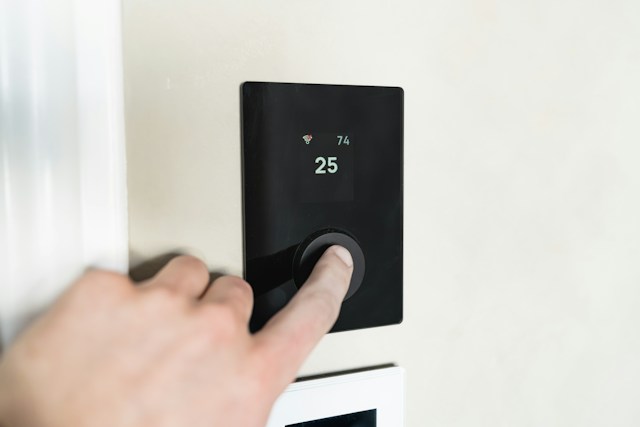
Connected devices are helping older adults and people with disabilities manage everyday tasks with greater confidence. A sensor can flag an unusual change in routine, a wearable can track movement, and a voice assistant can control lights without requiring someone to cross a dark room. The most useful independent living technology supports personal choice while remaining simple to operate. Choosing it requires attention to daily needs, accessibility, privacy, and the reliability of the people or services responding to alerts.
The Rise of Assistive Technologies
Assistive technology covers tools that help people complete tasks, communicate, or live more independently. Familiar examples include screen readers, voice controls, medication reminders and smart plugs. More specialized assistive technology for independence can support mobility, communication, and environmental control.
Start with a specific task that causes difficulty. Someone who regularly forgets an evening medication may benefit from a timed dispenser, while a person with limited hand movement might use voice-controlled lights and thermostats. Test one product before building a connected home around it. Check that controls are easy to understand, support is available, and the device still performs its core function during an internet outage.
Wearables for Daily Well-being
Wearables can record steps, heart rate, sleep patterns, and other wellness indicators. These measurements may help users notice gradual changes, such as reduced activity after an illness. The data should support conversations with a qualified health professional, since a consumer wearable cannot diagnose a medical condition.
Comfort and simplicity matter as much as the number of features. Look for a readable screen, clear alerts, and a battery schedule that fits the user’s routine. A device that needs daily charging may spend too much time on a nightstand. Before sharing any wellness data, review who can access it and how to remove access later. Set alerts selectively, since frequent notifications can become distracting or stressful.
Remote Monitoring for Peace of Mind
Remote monitoring systems can detect events or changes without requiring continuous video. Door sensors, motion sensors, and automated check-ins may show that a person has started their normal morning routine. Any monitoring plan should be discussed openly with the person using it, including what gets recorded and who receives notifications.
Families concerned about falls can compare senior monitoring devices for falls that offer features such as two-way voice communication, water-resistant pendants, long backup battery life, and coverage up to 600 feet for seniors in Canada. Test the system in bathrooms, bedrooms, and outdoor areas near the home. Confirm who responds first, what happens after an alert, and how the device indicates a low battery.
Designing for User Accessibility
Accessible design makes technology easier to perceive, understand and operate. Useful products offer high color contrast, adjustable text, plain instructions and more than one way to complete a task. Physical buttons may help one user, while voice input or a touchscreen may work better for another. Resources covering technology services for older adults also show why support must reflect different cognitive and sensory needs.
Product teams should test with people who use varied assistive tools. This practical guide to inclusive UX testing explains how accessibility can be built into digital evaluation. At home, let the intended user try common actions before purchase, including dismissing an alert, changing a setting, and contacting support.
Future of Independent Living Tech
The next generation of independent living technology will likely rely more on patterns than individual readings. A system might notice that a refrigerator door hasn’t opened by lunchtime or that movement has changed across several days. Local processing, where information stays on the device, could reduce the amount of personal data sent to outside servers.
Interoperability will also shape adoption. People need products that work together without complicated setup or several competing apps. Open standards, clear privacy controls, and replaceable batteries can make connected systems easier to maintain over time. Even as automation improves, users should retain control over alerts, data sharing, and emergency contacts. The best future system will quietly support a person’s routine while making its actions visible and easy to change.